


When I first started looking into cryptocurrency as a beginner, one question kept tripping me up more than anything else: should I buy Bitcoin outright, or should I trade contracts based on where I think its price is headed? If you’ve landed on this article, I’m guessing you’re asking yourself the same thing. It’s a fair question, and honestly, it’s one of the most important ones you can ask before you put real money into crypto.
This article is my attempt to walk you through spot and futures trading the way I wish someone had explained it to me clearly, without hype, and with enough honesty about the risks that you can make your own informed decision. I’m not here to tell you which one is “better.” I’m here to help you understand what each one actually is, so you can choose what fits your goals and your comfort with risk.
What Is Cryptocurrency Trading, Really?

Before diving into the differences, let’s ground ourselves. Trading, in the context of crypto, simply means buying and selling digital assets with the goal of profiting from price movement. Bitcoin remains the most commonly referenced asset in this space because it has the longest track record and the deepest liquidity, but the same principles apply across most cryptocurrencies.
There are two broad ways to participate in this price movement: you can own the asset directly, or you can trade a contract that tracks its price without ever holding the coin itself. That’s the fundamental split between spot and futures trading, and it shapes everything else your risk exposure, your capital requirements, and even your emotional experience as a trader.
Spot Trading Explained

How Spot Trading Works
Spot trading is the simplest and most intuitive way to enter the crypto market. When you buy Bitcoin on a spot exchange, you’re purchasing the actual asset at its current market price the “spot” price and it becomes yours. You can hold it in an exchange wallet, move it to your own wallet, or sell it whenever you choose. There’s no contract, no expiration date, and no obligation attached to it.
According to the U.S. Commodity Futures Trading Commission (CFTC), spot markets involve the immediate exchange of an asset for payment, which is exactly why this method feels closest to traditional investing: you own something tangible, even if it exists only as a digital ledger entry (CFTC.gov).
Pros of Spot Trading for Beginners
I’d argue spot trading is the natural starting point for most newcomers, and there are a few clear reasons why:
- You actually own the asset. There’s no ambiguity about what you hold.
- No leverage means no forced liquidation. Your losses are limited to what you invested.
- It’s simpler to understand. You buy low, hope to sell high, with no expiry dates or funding rates to track.
- It aligns with long-term holding strategies, which many financial educators recommend for those still learning market behavior.
Limitations of Spot Trading
That said, spot trading isn’t without drawbacks. Your profit potential is directly tied to price appreciation; if Bitcoin doesn’t move, your capital doesn’t grow. You also can’t easily profit from a falling market unless the exchange offers margin trading, which introduces its own risks. For beginners still building their footing, though, I see this simplicity as a feature, not a limitation.
Futures Trading Explained

How Futures Contracts Work
Futures trading works quite differently. Instead of buying the actual cryptocurrency, you’re entering into a contract that speculates on its future price. You never take ownership of the underlying Bitcoin or altcoin. Instead, you agree to a contract that pays out based on the difference between the entry price and the price at contract settlement or, in the case of perpetual futures (common in crypto), there’s no expiry at all, and positions are settled continuously through funding payments.
The defining feature of futures trading is leverage. Platforms often allow traders to control a position much larger than their actual capital by borrowing funds. This means both gains and losses are magnified. The CFTC and the U.S. Securities and Exchange Commission (SEC) have both issued repeated investor warnings about the risks of highly leveraged crypto derivatives, particularly for retail traders unfamiliar with margin mechanics (SEC.gov; CFTC.gov).
Pros of Futures Trading
Despite the added complexity, futures trading has genuine appeal for experienced traders:
- You can profit in both rising and falling markets by going long or short.
- Leverage allows for greater capital efficiency, meaning you don’t need to lock up large amounts of money.
- It offers tools for hedging, which some investors use to offset risk in their spot holdings.
Risks: Especially Leverage and Liquidation
Here’s where I want to be very direct with you: futures trading is not beginner-friendly, and I say that with genuine concern for anyone new to this space. Leverage doesn’t just amplify profits; it amplifies losses at the same rate, and often faster than people expect. If the market moves against your position beyond a certain threshold, the exchange can automatically liquidate it, meaning you lose your margin entirely, sometimes within minutes.
This isn’t a rare occurrence, either. Regulatory bodies across multiple jurisdictions have flagged retail leverage trading as one of the leading causes of rapid, avoidable losses in crypto markets. If you’re just getting started, I’d encourage you to treat futures trading as something to learn about thoroughly through demo accounts and small test positions long before committing significant capital.
Spot vs. Futures: Key Differences at a Glance

| Factor | Spot Trading | Futures Trading |
| Ownership | You own the actual crypto | No ownership; contract-based |
| Leverage | Typically none (unless margin is added) | Often available, sometimes high |
| Risk of liquidation | None | Yes, if margin requirements aren’t met |
| Complexity | Lower | Higher |
| Profit in falling markets | Limited | Yes, through short positions |
| Best suited for | Beginners, long-term holders | Experienced traders, hedgers |
Seeing it laid out this way, I hope it’s clear that these aren’t competing products so much as different tools for different goals. One isn’t inherently superior; they simply serve different purposes.
Which One Should Beginners Start With?

I’ll be honest with you here, because I think honesty matters more than sounding authoritative: if you’re new to crypto, starting with spot trading makes the most sense. It gives you direct exposure to how Bitcoin and other assets behave without the added pressure of margin calls or liquidation risk. You get to learn how the market moves, how your own emotions react to volatility, and how to research assets all without the possibility of losing more than you put in.
Futures trading can come later, once you’ve built a genuine understanding of market cycles and, ideally, once you’ve practiced with smaller amounts or demo environments. There’s no rush. The traders who tend to do well over time are the ones who took the time to understand the mechanics before risking real capital, not the ones who jumped into leverage on day one.
Risk Management Basics for Both

Regardless of which path you choose, a few principles apply universally:
- Never invest more than you can afford to lose. This is standard advice from every reputable financial regulator, and it applies just as strongly to crypto as it does to any other asset class.
- Use only reputable, regulated platforms. Look for exchanges that are transparent about their licensing and security practices.
- Start small. Whether you’re buying spot Bitcoin or testing a futures position, small amounts let you learn without catastrophic downside.
- Avoid excessive leverage, even if a platform offers it. Just because 50x or 100x leverage exists doesn’t mean it’s designed for someone learning the ropes.
- Keep records of your trades. This helps you evaluate your own decision-making over time, separate from short-term market noise.
Common Mistakes New Traders Make
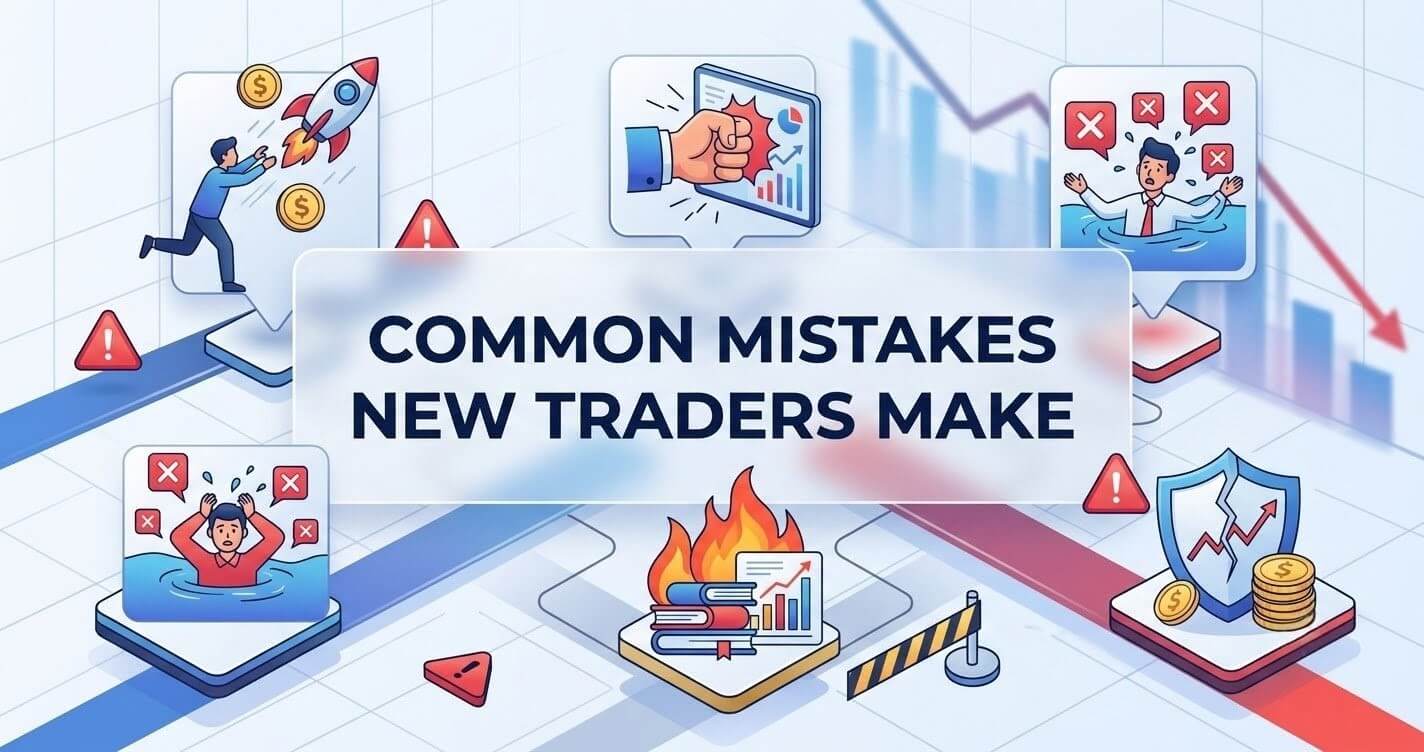
From what I’ve observed and what’s echoed across investor education resources, a few mistakes come up again and again:
- Jumping into futures trading without understanding funding rates or liquidation mechanics.
- Treating spot holdings like short-term trades and panic-selling during normal volatility.
- Ignoring position sizing and risking too much capital on a single trade.
- Chasing leverage for quick gains rather than building a sustainable strategy.
None of these mistakes are unique to crypto; they show up in traditional markets too, but the volatility of assets like Bitcoin tends to amplify the consequences.
Conclusion

Understanding the difference between spot and futures trading isn’t just a technical detail; it’s foundational to how you’ll experience the crypto market as a whole. Spot trading gives you ownership, simplicity, and a lower-risk entry point, while futures trading opens the door to more advanced strategies alongside meaningfully higher risk.
If you’re still early in your journey with cryptocurrency, there’s no shame in starting simple. Learn how the market moves. Get comfortable with volatility. Build your knowledge before you build your leverage. The traders who last in this space aren’t necessarily the ones who took the biggest risks early on; they’re the ones who understood exactly what they were doing before they did it.